
by development_admin | Oct 17, 2026 | Internet Plans, Telecommunications contractor
The best business internet for restaurants in Canada is a fibre connection with symmetrical speeds, business-grade Wi-Fi with separate networks for POS, staff and guests, and a backup connection for rush hours. Most single-location restaurants run well on a 500 Mbps to 1 Gbps fibre plan, depending on seating and delivery volume. Availability is address-based, so contact A to Z Market Solution to check what your location qualifies for.
A restaurant can’t pause service while the internet recovers. When the connection drops on a Friday night, card payments stall, online orders stop arriving, the kitchen display freezes and guests start asking for the bill. This guide explains what a restaurant actually needs from its internet, how to size a plan, and which setup mistakes cost Canadian owners the most.
What Internet Speed Does a Restaurant Need for POS and Wi-Fi?
Most single-location restaurants run well on 500 Mbps to 1 Gbps of fibre, depending on how many devices connect and how much online ordering they handle. A small café with one POS terminal and light guest Wi-Fi can manage on less, while a busy full-service restaurant with delivery tablets, music streaming, security cameras and guest Wi-Fi benefits from the higher end. These are general sizing guidelines, not guarantees, since real performance also depends on your equipment, wiring and building.sarshsolutions.ca
POS traffic itself is light. Payment terminals send small bursts of data, so a POS system rarely needs a lot of bandwidth by itself. What it needs is reliability and low delay. The heavy traffic usually comes from everything else on the network: guests streaming video, staff on personal phones, cloud-based reservations, digital menus, camera footage and delivery-platform tablets all competing for the same line.
How Do You Count the Devices in a Restaurant?
Walk the floor and list everything that connects. A typical restaurant might have:
- One or more POS terminals and card readers
- Kitchen display screens and printers
- Tablets for delivery and online-order platforms
- Security cameras and a recorder
- Digital menu boards or music streaming
- Staff phones and a manager’s laptop
- Guest phones and laptops, often the largest group
If you see 30 to 100 or more connected devices at peak, plan for a business-grade router and access points, not a single consumer router sitting behind the bar.
Is Fibre Internet Better Than Cable for a Restaurant?
Yes, in most cases, where fibre is available at your address. Fibre offers symmetrical speeds, meaning upload matches download. That matters for restaurants because cloud POS syncing, security-camera backups, video calls with suppliers and online-order confirmations all push data upward. Cable internet can offer strong download speeds, but upload speeds are typically much lower, and shared cable lines can slow down when neighbouring businesses are busy.
TELUS PureFibre is a fibre network available in selected communities across Canada, including parts of Ontario. Availability depends on the exact address, so two restaurants in the same plaza can have different options. You can check what’s offered on the home internet page if you’re also setting up service for an owner’s residence or a home-based kitchen, and ask us about business plans for the restaurant location itself.
Why Does a Restaurant Need Separate Wi-Fi Networks?
A restaurant should run at least three separate networks: one for POS and payment devices, one for staff, and one for guests. Keeping them apart protects card payments from guest traffic and stops a guest’s laptop from sitting on the same network as your order system. It also lets you limit guest speeds so a customer streaming a movie doesn’t slow down the kitchen printer.
TELUS business Wi-Fi has been advertised as supporting up to four separate networks from a single setup, which covers the usual POS, staff, guest and camera split. Confirm the current equipment and feature details for your plan before ordering, since offers and hardware change .sarshsolutions.ca
What Should the Guest Wi-Fi Network Look Like?
- Use a separate network name and password from staff and POS
- Set a bandwidth limit per device so no single guest uses the whole line
- Use a simple splash page or rotating password rather than posting one password forever
- Keep guests off any device that handles payments or orders
Do Restaurants Need a Backup Internet Connection?
For most full-service restaurants and anyone with heavy delivery volume, yes. An outage during dinner service costs more than a backup line. Internet Backup keeps key systems online when the primary connection drops, usually by switching to a secondary connection such as LTE. It won’t match full fibre speeds, but it can keep POS, card payments and online orders running until the main line returns.
Think about how your restaurant works without internet. If your POS works offline for a limited time but online orders, reservations and cloud menus stop, a backup connection protects your revenue. If you accept payments only through cloud-connected terminals, a backup matters even more. Ask your provider how the failover works, how long it takes to switch, and whether it’s included or an add-on.
What About Uptime Guarantees and SLAs?
An SLA, or service level agreement, is a written commitment about uptime and repair response. TELUS Managed Business Internet has been advertised with a 99.9% uptime guarantee, which suits multi-location restaurant groups and operators who can’t tolerate long outages. Standard business internet plans don’t necessarily carry the same guarantee, so never assume a plan has an SLA. Ask for the uptime terms in writing, and ask what the repair process is if the line goes down during service hours.
Does a Restaurant Need a Static IP Address?
Sometimes. A static IP gives your connection a fixed address, which is useful if you access security cameras remotely, run a VPN for head-office access, host a booking system, or need specific devices to be reachable from outside. A restaurant that only runs cloud-based POS and guest Wi-Fi often doesn’t need one. If you’re unsure, ask whoever installed your cameras and POS what they require, then confirm static IP availability and cost with your provider before you order.
What About Business Phones for Reservations and Takeout?
Phones still drive a lot of restaurant revenue, especially for reservations, large-party bookings and takeout orders. A cloud phone system, also called VoIP, runs calls over your internet connection instead of a traditional phone line. That lets you forward calls to a manager’s mobile when the host stand is busy, set after-hours greetings, add extensions for the kitchen and bar, and keep your number if you ever relocate.
TELUS Business Connect is a cloud phone option, and A to Z Market Solution can set it up alongside your internet. See our business VoIP solutions for how it works. Because VoIP depends on a stable connection and good upload speed, it’s one more reason to choose fibre and a backup line instead of a basic plan.
How Do VoIP and POS Share One Connection?
Both use modest bandwidth, so they coexist easily on a fibre line. The key is quality of service settings that prioritize voice and payment traffic over guest browsing. Your installer or provider can configure this during setup, so ask for it specifically.
How Much Does Business Internet Cost for a Restaurant?
Pricing depends on speed tier, contract term, equipment, add-ons and current promotions. Recent TELUS promotions have placed 1 Gbps fibre business plans roughly in the $105 to $115 per month range on a 3-year term, with business Wi-Fi access points priced separately per month. Those are promotional figures that change without notice and revert to regular pricing after the promotion ends. Before you sign, ask for the regular monthly price, the contract term, equipment costs, installation fees and the early-cancellation terms in writing.
Also account for the add-ons a restaurant often needs: extra access points for a larger dining room or patio, Internet Backup, a static IP, and cloud phones. A slightly higher monthly bill that prevents one lost Saturday night often pays for itself.
Comparison Table: Internet Options for Restaurants
| Option |
Technology |
Strength |
Watch Out For |
Best For |
| Business Fibre Internet |
PureFibre |
Symmetrical speeds, strong for cloud POS and VoIP |
Availability depends on address |
Most cafés, bistros and full-service restaurants |
| Fibre + Business Wi-Fi + Internet Backup |
PureFibre with managed Wi-Fi and failover |
Separate networks and protection during outages |
Higher monthly cost |
Busy restaurants with heavy delivery and online orders |
| Cable business internet |
Cable |
Strong downloads, wide availability |
Slower uploads, shared line |
Smaller venues in cable-only areas |
| Fixed wireless / LTE |
Wireless |
Fast setup |
Speed varies with signal |
Temporary locations, pop-ups and backup use |
| Managed Business Internet |
Monitored, dedicated service |
Written uptime guarantee and managed support |
Higher cost and longer setup |
Restaurant groups and multi-location operators |
Speeds and availability vary by address. Final eligibility is confirmed at order time.
How Do You Set Up Restaurant Internet the Right Way?
Good internet fails when it’s installed badly. Follow this order:sarshsolutions.ca
- Confirm availability at the restaurant address. Plaza and building rules sometimes affect which providers can install.
- List your devices and uses. POS, printers, cameras, music, phones, delivery tablets and guest Wi-Fi.
- Choose the plan, backup and add-ons together. Don’t order speed first and bolt the rest on later.
- Plan the router and access point locations. Walk the dining room, kitchen, bar and patio.
- Separate your networks at install. POS, staff, guests and cameras should each have their own.
- Test during a real service. A quiet Tuesday morning test doesn’t prove Friday night performance.
If you’d like help planning this, reach out to A to Z Market Solution and we’ll check your address and walk through the setup.
How Do You Protect a Restaurant Network From Security Problems?
Restaurants handle card payments, staff records and customer data, which makes network security important. Keep POS devices on their own network, change default router passwords, update firmware, and limit who can access the router settings. Avoid letting staff plug personal devices into the POS network. Security products such as TELUS Secure Business add protection for your connection and premises, and A to Z Market Solution can discuss which options fit your setup. Follow your payment processor’s requirements for card data handling, since those rules apply regardless of your internet provider.
Common Mistakes Canadian Restaurant Owners Make With Internet
- Running POS, staff and guest devices on one shared network
- Buying a plan by download speed alone and ignoring upload and reliability
- Skipping a backup connection, then losing a full dinner service to one outage
- Assuming every business plan includes an uptime guarantee
- Placing the router in a back office, leaving the dining room and patio with weak Wi-Fi
- Signing a long term without asking about the regular price after the promotion
- Testing speed on a quiet morning instead of during peak service
- Not asking whether a static IP is needed for cameras or remote access
Practical Checklist for Choosing Restaurant Internet
- Confirm which internet types are available at your exact address
- List every device and system: POS, printers, cameras, delivery tablets, phones, guest Wi-Fi
- Choose fibre where possible, and decide whether you need Internet Backup
- Set up separate networks for POS, staff and guests, with access points that cover the full dining area
- Get the term, regular price, equipment costs and uptime terms in writing before signing
Frequently Asked Questions
What is the best internet for a restaurant in Canada?
For most restaurants, fibre with symmetrical speeds, business-grade Wi-Fi and a backup line is the strongest setup. The right speed tier depends on seating, delivery volume and how many devices you run at peak.
How much internet speed does a restaurant need for a POS system?
POS systems use little bandwidth themselves, so reliability matters more than raw speed. Most restaurants choose 500 Mbps to 1 Gbps to cover guest Wi-Fi, cameras, delivery tablets and cloud services together.
Should a restaurant have separate Wi-Fi for guests?
Yes. Keeping guest Wi-Fi apart from POS and staff networks protects payment devices and prevents guest streaming from slowing operations. Most business Wi-Fi setups support multiple separate networks.
Do restaurants need a backup internet connection?
For busy full-service or delivery-heavy restaurants, a backup connection is worth it, because a single outage during service can cost more than the monthly fee. Ask how failover works and how fast it switches.
Can A to Z Market Solution set up business internet for my restaurant?
Yes. A to Z Market Solution is a TELUS Authorized Business Partner that checks address availability, helps match a plan to your restaurant and supports setup, including business VoIP solutions for phones and reservations.
Why Work With A to Z Market Solution
We’re a Brampton-based TELUS Authorized Business Partner. We check your restaurant’s address, match the internet plan and add-ons to how you actually operate, and help bundle phones, mobility and security so you deal with one contact instead of several. Setup support is local and direct, with no extra cost compared to going through TELUS. If you’re also setting up service at home, see our home internet options, or contact us to get started.
CONTACT BLOCK
A TO Z MARKET SOLUTION
Phone: 613-302-6159
Website: https://atozmarketsolution.com/
Location:Canada

by development_admin | Oct 16, 2026 | Internet Plans, Telecommunications contractor
Home Internet for Students in Canada: How to Choose, Set Up and Share a Plan
Quick Answer Box
Most students in Canada do well with an unlimited-data home internet plan of roughly 100 to 500 Mbps, depending on how many roommates share it. Fibre is the strongest choice where available, because upload speed stays high during video classes and group calls. Check your address first, since availability decides which plans you can actually order. You can see home internet plans or contact A to Z Market Solution for an address check.
Starting a degree or diploma means juggling lectures, assignments, part-time work and a social life, and almost all of it runs through your Wi-Fi. Yet internet is often the last thing students sort out, usually the week they move in, usually in a rush. This guide walks through what speed you need, which connection types exist in Canada, how to split costs with roommates, and what to check before you sign anything.
What Internet Speed Does a Student Need at Home?
A single student doing online classes, email, research and HD streaming is usually comfortable with around 100 Mbps. Two to four roommates streaming, gaming and joining video calls at the same time are better served by 250 Mbps or more. These figures are general guidelines, not guarantees, because real-world speed also depends on your router, Wi-Fi coverage, the number of devices and the wiring in your building.
A simple way to think about it is by activity. Email, web browsing and reading PDFs use very little bandwidth. Video calls and live lectures use more, and they depend on upload speed as much as download. Streaming in 4K, downloading large games and syncing cloud folders are the heaviest everyday uses. If one person in your household does all three at once, plan for the higher end.
How Many Devices Should You Count?
Count more than laptops and phones. Smart TVs, gaming consoles, tablets, smart speakers and e-readers all connect to your network. A shared apartment with four people can easily have 15 or more connected devices, and every one of them competes for the same connection. If you’re unsure, size up one tier rather than down, especially if your lease runs for a full year or more.
Is Fibre Internet Better Than Cable for Students?
Yes, where fibre is available at your address. Fibre usually delivers symmetrical speeds, which means your upload speed matches your download speed. That matters for students because video lectures, group presentations, cloud backups and submitting large project files all push data upward, not just downward.
Cable internet can deliver strong download speeds, but upload speeds are typically much lower. You may not notice the gap while streaming a show, but you will notice it when your video freezes during a group call or a file takes ten minutes to upload before a deadline.
TELUS PureFibre is a fibre network available in selected communities across Canada, including parts of Ontario. Availability is address-based, not city-wide, so two apartments on the same street can have different options. You can browse home internet options and then confirm what your exact address qualifies for.sarshsolutions.ca
What if Fibre Isn’t Available at My Address?
You still have workable options. DSL runs over existing phone lines, doesn’t share bandwidth with your neighbours the way some cable setups do, and can offer stable performance for light to moderate use. Cable may be available in areas without fibre and handles typical student streaming well. Fixed wireless or LTE-based home internet is another option for locations with limited wired service, though speed depends on signal strength.
The right fallback depends on your usage. A student who mostly reads, writes and streams can be perfectly happy on DSL or cable. A student running video-heavy coursework, live streaming or large uploads should push harder for fibre or the fastest wired option on offer.sarshsolutions.ca
Comparison Table: Home Internet Options for Students
| Connection Type |
Typical Strength |
Watch Out For |
Best For |
| Fibre (PureFibre where available) |
Fast, symmetrical speeds |
Availability depends on address |
Shared homes, heavy streaming, video-heavy programs |
| Cable |
Strong download speeds |
Slower uploads, speed can vary at busy times |
Moderate use in cable-served areas |
| DSL |
Stable line, wide reach |
Lower top speeds |
Light use where fibre and cable aren’t available |
| Fixed wireless / LTE |
Quick setup |
Speed varies with signal |
Locations with limited wired options |
Speeds and availability vary by address. Final eligibility is confirmed at order time.
Do Students Need Unlimited Data?
Almost always, yes. Between online lectures, streaming, game updates, cloud storage and video calls with family, data adds up quickly, and several people in one apartment multiply it. An overage charge in the middle of exam season is an expense you can avoid entirely by choosing a plan with unlimited data.
When you compare plans, confirm that unlimited data is included in the monthly price, not sold as an add-on. TELUS has advertised unlimited data and price-guarantee terms on its home internet plans when customers sign a 2-year term, but terms and promotions change, so confirm the current details for your address before ordering.
How Do You Set Up Internet in a Student Apartment or Shared House?
Start before move-in. Installation timing varies by address and provider, and waiting until you arrive can mean days or weeks without service during the busiest start of term. Here is the order that works for most students:
- Check what’s available at the address. Buildings and neighbourhoods differ, so confirm connection types before choosing a plan.
- Ask the landlord or property manager about installation rules. Some buildings restrict where equipment can go or which providers can install.
- Choose a plan that matches your headcount and lease. Speed, data and term length should all line up with how long you’ll live there.
- Book installation for a date near move-in. Ask what’s included, such as a modem, router or Wi-Fi 6 equipment, and whether you can self-install.
- Test the connection on day one. Run a speed test on a wired connection and in the rooms where you’ll study.
If you’d like help with steps 1 to 3, contact A to Z Market Solution and we’ll check your address and walk through your options.
How Should Roommates Split an Internet Plan?
Splitting the bill fairly is easier when you agree on a few things up front:sarshsolutions.ca
- Put one reliable person on the account and have everyone send their share by e-transfer each month
- Pick a plan term that matches the lease so nobody is stuck paying after moving out
- Decide who keeps the modem and router when someone leaves
- Write the plan name, speed and monthly price in a shared note so the arrangement is clear to everyone
- Agree on a Wi-Fi password policy, including a separate guest network if your plan supports it
The account holder is legally responsible for the bill, so choose someone who will actually keep the account in good standing.
What About Parents Setting Up Internet for a Student?
Parents can put the plan in their own name, which often makes approval easier for a student with no credit history in Canada. The tradeoff is that the parent carries the contract. Ask about transferring service if the student moves, and whether the term fits the program length. If the household also runs a home business, a parent might look at business VoIP solutions for the family phone line while the student uses the home internet connection for school.
How Do You Get Reliable Wi-Fi Throughout a Small Apartment?
A fast plan can still feel slow if your Wi-Fi coverage is poor. Wi-Fi signal weakens through walls, floors and appliances, so router placement matters as much as plan speed. These steps help in most student apartments:
- Place the router in a central, elevated spot, not inside a cabinet or behind a TV
- Keep it away from microwaves and thick concrete walls
- Use a wired Ethernet connection for gaming, streaming boxes or any device you can plug in
- Consider newer Wi-Fi 6 equipment if several people share the connection
- Add a mesh extender or access point if you have a larger multi-room space
If your main complaint is one dead corner of the apartment, a coverage fix is usually cheaper than upgrading your speed tier.
What Should Students Look for Besides Speed?
Speed gets the attention, but several other details affect your experience and your wallet:
- Upload speed: Critical for video calls and file submissions
- Contract length: Longer terms often mean lower promotional prices, but they can outlast your lease
- Regular price after the promotion: Promotional pricing eventually ends, so ask what you’ll pay afterward
- Equipment: Find out whether a modem and router are included and whether they support modern Wi-Fi
- Setup and support: Ask how installation is booked and who you contact when something breaks
- Relocation: Ask whether you can move service to a new address and what it costs
Putting these questions to a provider before you sign takes ten minutes and prevents most of the common student complaints.
Can Students Run a Side Business or Freelance on Home Internet?
Many students freelance, tutor online, resell goods or run small online shops alongside school. A home internet plan with solid upload speed handles client video calls, file delivery and online storefront management well. If a side business grows and needs a dedicated phone number, call routing or a team line, a cloud phone system is worth a look. A to Z Market Solution offers business VoIP solutions that run over the internet connection you already have, so you don’t need a separate landline.
Common Mistakes Canadian Students Make With Home Internet
- Choosing a plan by price alone without checking upload speed or data limits
- Signing a contract that runs longer than the lease
- Ordering before confirming what’s available at the exact address
- Relying on one router in a large apartment and blaming the plan for weak Wi-Fi
- Forgetting to ask what the price becomes after the promotional period
- Not agreeing in writing who owns the equipment and who pays when a roommate leaves
- Waiting until move-in day to book installation
Practical Checklist for Choosing Student Home Internet
- Confirm which internet types are available at your exact address
- Count the people and devices that will share the connection
- Choose a plan with unlimited data and a speed that fits your usage
- Match the contract term to your lease or program length
- Ask about setup timing, equipment and what happens if you move
Frequently Asked Questions
What is the best home internet for students in Canada?
For most students, an unlimited fibre plan is the best fit where available, because upload speed stays high for video classes and group calls. The right speed depends on how many people share the connection and how heavily you stream or game.
How much internet speed do I need for online classes?
A single student can usually manage online classes on about 50 to 100 Mbps, though more devices on the network need more. Upload speed matters for live video, so a fibre connection helps.
Can I get home internet without a long contract?
Contract options vary by provider, plan and address. Promotional pricing often requires a term, so ask for term and no-term pricing side by side before choosing.
Can I move my internet to a new address when I change residences?
Some providers allow service transfers, but availability at the new address is not guaranteed. Ask about relocation terms before you sign.
Can A to Z Market Solution help me set up student internet?
Yes. A to Z Market Solution is a TELUS Authorized Business Partner that checks address availability, explains your plan options and supports your setup. You can view home internet options or reach out through our contact page.
Why Work With A to Z Market Solution
We’re a Brampton-based TELUS Authorized Partner. We check your address, compare the plans you actually qualify for, and help you choose a term that fits your lease. You get direct local support during setup, with no extra cost compared to going through TELUS directly. For students, families and small businesses alike, we also help with business VoIP solutions, Business Mobility and Secure Business, so one contact can cover your whole setup. Ready to start? Contact us here.
CONTACT BLOCK
A TO Z MARKET SOLUTION
Phone: 613-302-6159
WhatsApp: https://wa.me/16133026159
Website: https://atozmarketsolution.com/
Location: Brampton, Ontario, Canada

by development_admin | Oct 15, 2026 | Internet Plans, Telecommunications contractor
Quick Answer Box
TELUS internet for small business is mainly delivered over PureFibre, with symmetrical upload and download speeds, business-grade Wi-Fi 6 and optional Internet Backup. Fixed wireless through Smart Hub is an alternative where fibre isn’t available. Plans and promotions depend on your business address, which a TELUS Authorized Partner like A to Z Market Solution can confirm.
What Internet Plans Does TELUS Offer for Small Businesses?
TELUS Business Internet centres on PureFibre, a dedicated fibre network built for cloud work, video calls and fast backups. Select fibre plans offer symmetrical upload and download speeds up to 5 Gbps, with business-grade Wi-Fi 6 supporting up to four separate networks. Where fibre isn’t available, TELUS Smart Hub provides fixed high-speed internet over its LTE network. Speed tiers vary by location, so the plan advertised nationally may not be the one available at your address.
Is TELUS Fibre Better Than Cable for a Small Business?
For most small businesses, yes, mainly because of upload speed. Fibre delivers symmetrical speeds, so uploading files, running VoIP calls and backing up to the cloud doesn’t compete with downloads. Cable plans usually have much lower upload speeds than download speeds, which shows up during video meetings and large file transfers. If your team mostly browses and uses email, either can work, but fibre leaves more room to grow. sarshsolutions.ca
How Much Does TELUS Small Business Internet Cost?
Pricing depends on speed tier, contract term and current promotions. Recent TELUS promotions have placed Fibre Internet 1G in roughly the $105 to $115 per month range on a 3-year term, with Business Wi-Fi access points around $15 to $20 per month each. Promotions are for new customers, change without notice and revert to regular pricing after the promo period, so confirm today’s price before committing.
Is TELUS Business Internet Available in Ontario?
Availability is address-based, not city-wide. TELUS confirms fibre eligibility for each business address through a representative. PureFibre has been rolling out in parts of Brampton, Mississauga, Toronto, Vaughan, Markham and other Ontario communities. A to Z Market Solution can run an address check before you plan around a specific plan.sarshsolutions.ca
- Business Wi-Fi access points for multi-room or multi-floor spaces
- Internet Backup to keep you online if the primary connection drops
- Business Connect (cloud phone/VoIP) to run phones over the same connection
- TELUS Secure Business for cybersecurity and premise protection
- Business Mobility bundling, since pairing an eligible fibre plan on a 3-year term with a voice-capable Mobility plan has qualified for a monthly discount
Comparison Table: TELUS Small Business Internet Options
| Option |
Technology |
Speed Profile |
Best For |
| Business Fibre Internet |
PureFibre |
Symmetrical, up to 5 Gbps on select plans |
Offices, clinics, retail, cloud-based teams |
| Fibre Internet 1G + Business Wi-Fi |
PureFibre + access points |
Up to 1 Gbps symmetrical |
Restaurants, salons, small offices with guest Wi-Fi |
| TELUS Smart Hub |
Fixed LTE wireless |
Varies by LTE coverage |
Locations without fibre access |
| Managed Business Internet |
Managed, monitored dedicated service |
Custom bandwidth, 99.9% uptime guarantee |
Multi-location or uptime-critical operations |
Maximum speeds require optimal conditions on a wired connection. Final plan eligibility is confirmed by TELUS.
Common Mistakes Canadian Businesses Make
- Choosing a plan by download speed and ignoring upload speed
- Assuming the 99.9% uptime guarantee applies to every plan, when it is tied to managed plans
- Skipping Wi-Fi access points, then blaming the internet for dead zones
- Signing a 3-year term without checking what the price becomes after the promo
- Not asking whether a static IP is needed for cameras, remote access or a server
Practical Checklist
- Confirm fibre availability at your exact business address
- List your heavy uses: VoIP, POS, video calls, cloud backup, security cameras
- Decide how many Wi-Fi access points and separate networks you need (staff, guest, POS)
- Ask about static IP, Internet Backup and bundling with Mobility or Business Connect
- Get the regular post-promo price and contract term in writing
Frequently Asked Questions
What is the best TELUS internet plan for a small business?
For most small businesses, a PureFibre plan with symmetrical speeds is the strongest fit, paired with Business Wi-Fi if you have more than one room. The right speed tier depends on staff count, cloud tools and video use.
Does TELUS offer business internet without a contract?
TELUS promotional pricing for business plans is typically tied to a term, often 3 years. Contract options and any no-term pricing vary by plan and address, so confirm before ordering.
Is TELUS PureFibre available for businesses in my area?
Fibre availability is based on your business address and confirmed by TELUS. A to Z Market Solution can check your address and tell you which plan types are available.
What is the difference between TELUS Business Internet and home internet?
Business plans offer business-grade Wi-Fi, options like static IP and Internet Backup, and bundling with Business Connect and Secure Business. They are also built around business use and support rather than household use.
Can I buy TELUS small business internet through an authorized partner?
Yes. A to Z Market Solution is a TELUS Authorized Business Partner and can handle eligibility checks, plan selection and setup with direct local support.
Why Work With A to Z Market Solution
We’re a Brampton-based TELUS Authorized Business Partner. We check your address, match a plan to how your business actually uses the internet, and help bundle Business Mobility, Business Connect and Secure Business, so you deal with one contact instead of a queue. Setup support is local and direct, with no extra cost compared to going through TELUS.
CONTACT BLOCK
A TO Z MARKET SOLUTION
Phone: 613-302-6159
WhatsApp: https://wa.me/16133026159
Website: https://atozmarketsolution.com/
Location: Brampton, Ontario, Canada
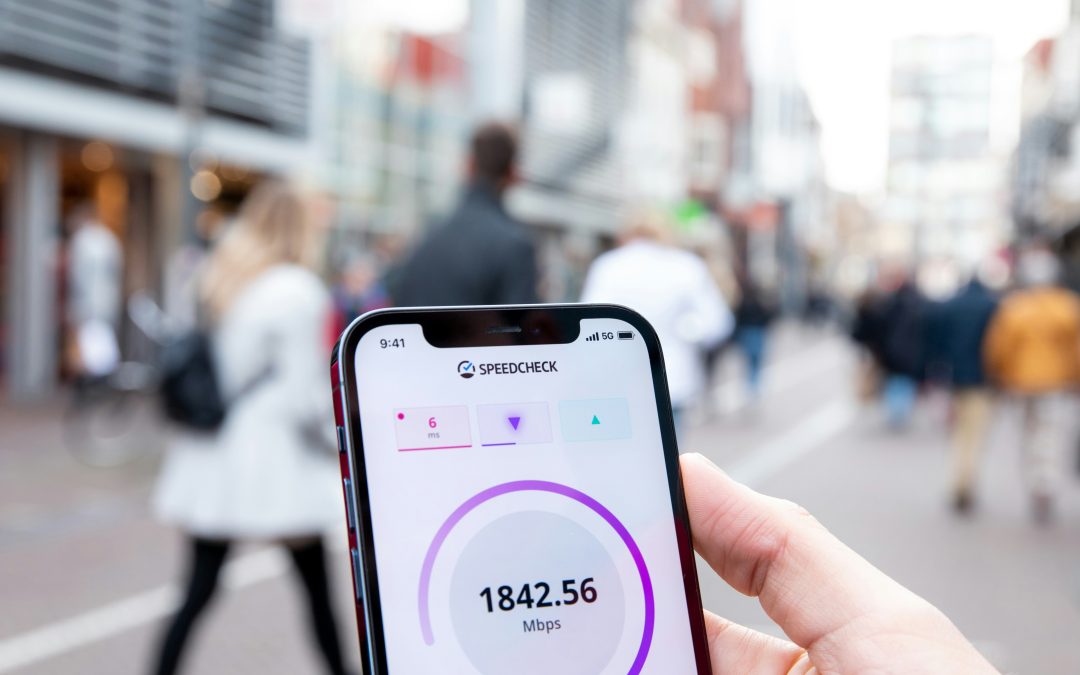
by development_admin | Oct 12, 2026 | Internet Plans, Telecommunications contractor, Uncategorized
It’s 12:40 on a Friday. Your restaurant has a line out the door, three delivery tablets are chirping, the card terminals are slow, and the guest Wi-Fi is eating the bandwidth your POS needs. Somebody on the team says, “Just get one of those TELUS home internet deals. It’s half the price.”
That suggestion is common, and it isn’t crazy. Residential fibre promotions look good on paper, and for a home-based business or a very small office they can be a reasonable fit. For anything with a public-facing network, multiple tenants or customer-facing systems, the cheaper plan can end up costing more in lost sales and troubleshooting time.
This article walks through what the home deals actually include, where they fall short for commercial use, and how to decide between residential and business fibre. If you’d rather talk through your own situation, A to Z Market Solution is a TELUS Authorized Business Partner in Brampton and can look at your address and setup with you.
The Core Operational Problem: One Connection, Too Many Jobs
Most connectivity problems in small commercial spaces come from asking one connection to do several unrelated jobs at once.
A restaurant at rush hour. Card terminals, a cloud POS, kitchen display screens, delivery tablets, music streaming and guest Wi-Fi all share the same line. When guests start uploading photos, the POS waits in line behind them. Nobody notices until payments hang.
An office on video calls. At 10:00 a.m., six people join calls at once while a cloud backup runs and someone uploads a large file. Download speed might be fine. Upload capacity is what chokes, and the calls start freezing.
A multi-tenant building. A landlord shares one connection across several units, or each tenant runs their own residential plan. Both setups produce complaints. Shared lines mean one tenant’s heavy use affects everyone, and a collection of separate consumer accounts means no single point of support for the building.
Security and remote access. Cameras, alarm systems and remote desktop access often need a fixed address (a static IP) and stable upload speeds. Consumer plans aren’t built around those needs.
The deal price tells you what you pay each month. It doesn’t tell you whether the service matches the workload.
What TELUS Home Internet Deals Actually Include
Home promotions change often, so treat any price as a snapshot. In recent Ontario offers, TELUS advertised PureFibre 1.5G from $79 a month, plus a $100 bill credit. The fine print matters as much as the headline number:
- The offer applies to customers who haven’t had TELUS Internet in the past 90 days.
- It requires a 2-year term.
- One Ontario offer lists a regular price of $130 a month once the 24-month term ends.
- PureFibre home plans include unlimited data.
- Most households need roughly 700 GB of data a month, according to TELUS. A busy commercial space can look very different.
The home plans are well built for households: strong speeds, Wi-Fi equipment and bundle options with mobility and home services. They are designed, priced and supported for residential use. Before you put a commercial operation on one, read the current terms of service and ask a TELUS representative or partner whether commercial use is permitted at your address.
Key Considerations for Business Owners
Upload Speed and Symmetry
Business owners tend to shop on download speed because that’s the number in the headline. Upload matters more than people expect: video meetings, cloud backups, security camera footage and file sharing all push data outward. TELUS lists 1.5 Gbps download and 940 Mbps upload on its Ontario PureFibre plan. That is strong, but the number is a maximum, and it needs a wired connection under good conditions. A symmetrical or near-symmetrical plan keeps calls and backups from competing with everything else.
Static IP and Network Control
If you run remote access, hosted cameras, a VPN or a server, you’ll probably want a static IP address. Business plans are where that option normally lives. Check what’s available on any plan before you rely on it.
Support and Response Time
When the internet drops in a house, someone is annoyed. When it drops at a clinic front desk or a restaurant, you lose revenue. Ask what support channel you’ll use, whether business accounts get a different path, and what the process is for an outage. Any written service commitment (an SLA) is worth reading closely, and you shouldn’t assume one exists on a consumer plan.
Wi-Fi Equipment
Business Wi-Fi is designed for more devices and for separating networks. Guest Wi-Fi should be on its own network, away from the POS and office devices. That separation is a basic security practice, and it keeps a customer streaming video from slowing a card terminal.
Bundling
TELUS advertises a monthly discount when business internet is bundled with Security, Mobility or Office Phone solutions. If you already pay for business mobility or a cloud phone system, a bundle can reduce the total bill. Ask for the combined price, not just the internet line.
Common Infrastructure Mistakes to Avoid
- Shopping on promo price only. Compare the regular price, the term length and what happens when the promotion ends.
- Putting everything on one network. POS, staff devices and guest Wi-Fi should not share a single flat network.
- Ignoring upload speed. A plan with a big download number and weak upload will struggle with video calls and backups.
- Skipping the address check. Fibre availability varies by building and even by unit. Confirm it before you plan an opening date.
- Using the free router for everything. A basic router can bottleneck a busy site long before the line does.
- Letting tenants fend for themselves. Property managers who leave each unit to arrange its own residential plan often end up with inconsistent service and a stream of complaints.
- Leaving installation timing to the last week. Installs, inspections and permissions take longer than people expect, especially in older or multi-tenant buildings.
- Forgetting a backup plan. If a payment terminal can’t connect, a mobile or secondary connection can keep you open.
Comparing Business Connectivity Options
There isn’t one correct answer. The right choice depends on what runs on the connection, how many people use it and what an outage costs.
Residential fibre (home plans). Good for home offices and one-person operations. Priced for households, with promotional pricing that is hard to match. Check the commercial-use terms and support path.
Business fibre. TELUS lists Fibre Internet tiers such as 300, 1G and 1.5G for business, with availability confirmed by a TELUS representative based on your business address. It suits restaurants, retail, clinics and offices that depend on the connection every day.
PureFibre vs. cable. TELUS contrasts PureFibre with hybrid fibre-coax, which shares bandwidth among nearby customers, and describes PureFibre as a direct fibre connection to your business. In practice, shared-bandwidth networks can slow at busy neighbourhood hours, which is when many businesses need the connection most.
Dedicated or enterprise lines. For large sites, strict uptime needs or specialized applications, a dedicated line with a formal SLA is the more serious option. It costs more and takes longer to arrange, and most small and mid-size operators don’t need it.
Fixed wireless or LTE-based internet. TELUS positions its Smart Hub, powered by its LTE network, as a rural option. It can also work as a backup connection.
Comparison Table
| Business situation |
Residential fibre |
Business fibre |
Dedicated / enterprise line |
| Home-based solo operator |
Often workable (check terms) |
Optional |
Not needed |
| Small office (1–10 staff) |
Risky for video-heavy teams |
Good fit |
Rarely needed |
| Restaurant or retail with POS |
Not ideal |
Good fit |
Only for multi-site setups |
| Property with several tenants |
Inconsistent across units |
Good fit with planning |
For large buildings |
| Needs static IP or remote access |
Limited |
Available (confirm by plan) |
Standard |
| Formal SLA required |
Typically not offered |
Ask for details |
Standard |
| Backup connection |
Possible with wireless |
Pair with wireless backup |
Often redundant by design |
Availability, pricing and terms vary by address. Confirm each item with your TELUS representative.
What to Look For When Choosing a Provider
Scalability. Pick a plan that fits your needs now and has room to grow. Moving up a tier is easier than rebuilding your network after you outgrow it.
Upload performance. Ask for the actual upload speed, not just the download number. Cloud software, video meetings and backups depend on it.
Installation realities. Ask who does the install, what lead time to expect and whether your building needs landlord approval or inside wiring. Property managers should confirm access arrangements early.
Support. Find out who you call when something breaks and whether business accounts get a different path from residential customers. A local partner who knows your account can save hours during an outage.
Pricing clarity. Ask for the monthly price during the term, the price afterward, any equipment fees and what a bundle changes. Get it in writing.
Honesty about limits. Be wary of any provider promising perfect uptime or the fastest speeds anywhere. Real networks have outages, and speeds depend on your wiring, equipment and traffic.
Practical Business Checklist
- Confirm fibre availability at your exact address, including the unit or floor, before you plan an opening or move date.
- List every device and system on the connection: POS, cameras, staff computers, tablets, phones and guest Wi-Fi.
- Decide whether you need a static IP, a cloud phone line or a backup connection before you pick a plan.
- Get the full price in writing: promotional rate, regular rate, term length, equipment and any bundle changes.
- Separate your networks so guest Wi-Fi never shares a network with your payment and office systems.
Frequently Asked Questions
Can I use a TELUS home internet deal for my business?
It depends on your situation and on TELUS’s current terms for residential plans. A home-based business may be fine, but a restaurant, office or multi-tenant property usually needs business-grade service and support. Check the terms with TELUS or an authorized partner before you order.
What are the current TELUS home internet deals in Ontario?
Recent Ontario offers feature PureFibre 1.5G at a promotional monthly price with a bill credit for new customers on a 2-year term. Offers change without notice and depend on your address, so confirm today’s pricing and the regular rate after the promotion.
What’s the difference between TELUS home and business internet?
Home plans are built for households, with consumer support and promotional pricing. Business plans are built for commercial use and often come with options such as Business Wi-Fi, static IP and bundles with business phone and security. Availability and features vary by address and plan.
How fast does a small business internet connection need to be?
It depends on users and applications. A small office with cloud apps and video calls may be comfortable on a mid-tier fibre plan, while a busy restaurant with POS, cameras and guest Wi-Fi may want more headroom. Upload speed matters as much as download speed.
Does it cost more to order through an authorized TELUS partner?
Ordering through an authorized partner doesn’t cost more than going direct to TELUS. You get the same services with a local contact who helps with plan selection, setup and follow-up.
Why Business Owners Choose A to Z Market Solution
A to Z Market Solution is a TELUS Authorized Business Partner based in Brampton, Ontario. Our work starts with questions: What runs on your connection? How many people depend on it? What does an hour of downtime cost you?
From there, we check availability at your address, compare tiers against your real workload and explain pricing, including what happens after any promotion ends. If a home plan makes sense for your situation, we’ll tell you. If you need business fibre, a static IP, a cloud phone system or a bundle with mobility and security, we’ll lay out the options without pushing the biggest plan.
You get the same TELUS services with a local contact for setup questions and follow-up, and ordering through us doesn’t cost more than going direct.
A TO Z MARKET SOLUTION
Phone: 613-302-6159
Website: https://atozmarketsolution.com/
Need help choosing the right Internet, mobility, or communication solution for your restaurant, commercial building, or business? Contact A to Z Market Solution to discuss your requirements.